
Perfume and Cologne Contrast: Understanding the Difference
When it comes to choosing a fragrance, many people find themselves confused by the terms "perfume" and "cologne." These words are often used interchangeably, but they actually refer to different types of scents with distinct characteristics. Understanding these differences can help you select the right fragrance for any occasion and make your scent last longer throughout the day.
Read on as we explain perfume and cologne contrast in detail, including their composition, usage, and how to choose the best option for you.
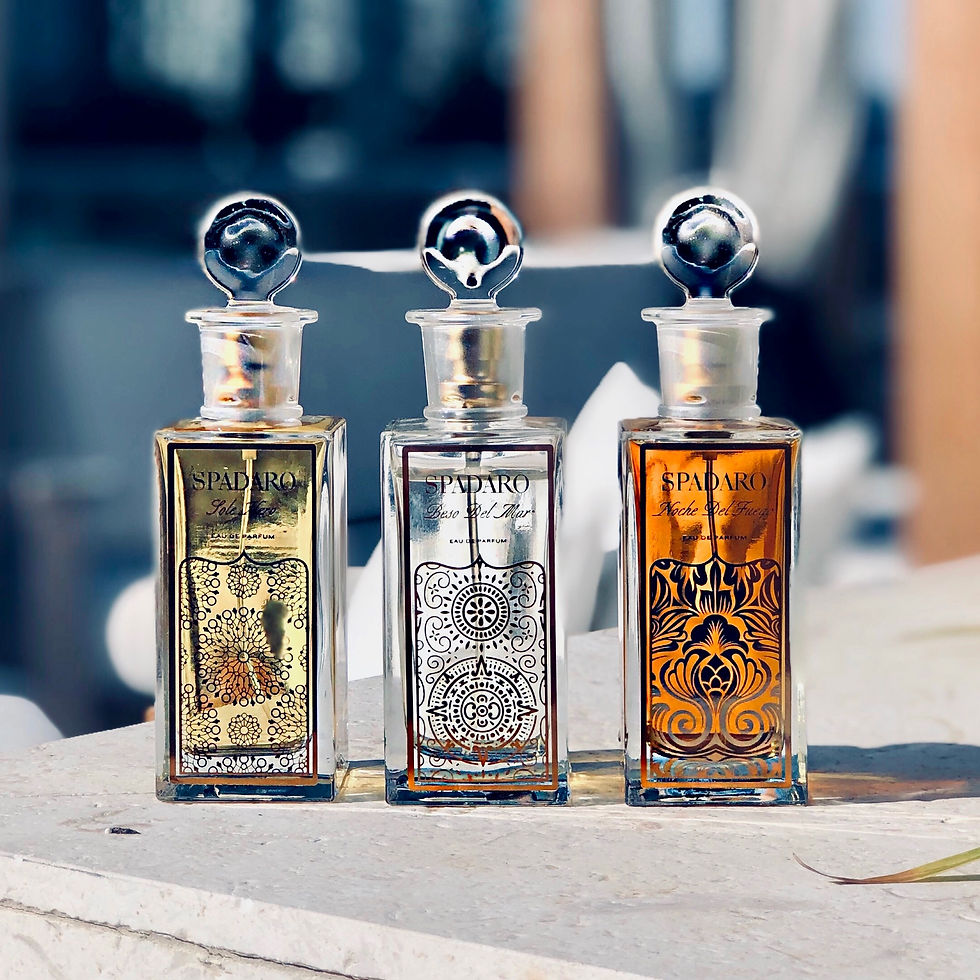
What Defines Perfume and Cologne?
Perfume and cologne are both types of fragrances, but they differ primarily in their concentration of aromatic compounds. This concentration affects the scent's intensity, longevity, and price.
Perfume (Parfum): Contains the highest concentration of fragrance oils, typically between 20% and 30%. This makes perfumes more potent and longer-lasting, often staying on the skin for 6 to 8 hours or more. Perfumes are usually more expensive because they contain higher oil content.
Cologne (Eau de Cologne): Has a much lower concentration of fragrance oils, usually around 2% to 5%. This results in a lighter scent that lasts for about 2 to 3 hours. Colognes are often more affordable and are popular for casual wear.
The difference in concentration also influences the scent profile. Perfumes tend to have richer, more complex aromas with multiple layers that evolve over time. Colognes are lighter and simpler, often featuring citrus or herbal notes. A common misconception is that colognes are for men.
Understanding these basics is essential for anyone looking to build a fragrance collection or find a signature scent.
Exploring the Perfume and Cologne Contrast
The perfume and cologne contrast goes beyond just concentration. It also involves how these fragrances are MARKETED and how they are perceived. American companies typically market perfume to women and cologne to men, whereas in much of the rest of the world, perfume simply denotes a richer, more intense fragrance one appreciated by all, regardless of gender.
The scent families also differ. Perfumes often include floral, oriental, or woody notes, while colognes lean towards light, citrus, and aquatic scents.

How to Choose Between Perfume and Cologne
Choosing between perfume and cologne depends on several factors, including personal preference, lifestyle, and budget. Here are some tips to help you decide:
Consider the Occasion
Perfume can be used every day, just keep in mind the amount applied. Cologne gives more room for over-applying and not being overwhelming.
Choose cologne for having a subtle scent and less sillage. Sillage is the scent trail you leave in the air as you move. It is like the ripples from a boat. This trail shows how much scent remains for others to smell after you pass by.
Think About Scent Preferences
If you like complex, layered fragrances, perfume is ideal.
If you prefer light scents, cologne will suit you better
Budget Matters
Perfumes are generally more expensive due to their
higher concentration.
Colognes can be more affordable.
By keeping these points in mind, you can select a fragrance that complements your personality and lifestyle.
Tips for Applying Perfume and Cologne Effectively
Applying fragrance correctly can enhance its performance and ensure you get the most out of your bottle. Here are some practical recommendations:
Apply to Pulse Points: These areas emit heat, which helps diffuse the scent. Common pulse points include wrists, neck, behind the ears, and inside elbows.
Moisturize Your Skin: Fragrance lasts longer on hydrated skin. Use lotion before applying perfume or cologne.
Layer Your Fragrances: Have fun and explore layering sweeter, lighter or citrus scents with those more woody and earthy.
Store Properly: Keep your fragrance away from direct sunlight and in a cool place to preserve its quality.
Following these tips will help you enjoy your perfume or cologne to the fullest.
Final Thoughts on Perfume and Cologne
Understanding the nuances of perfume and cologne can transform your fragrance experience. Remember, the key is to find a scent that resonates with you and fits your lifestyle. Experiment with different types and notes, and don’t be afraid to switch things up depending on the season or occasion.


Comments